|
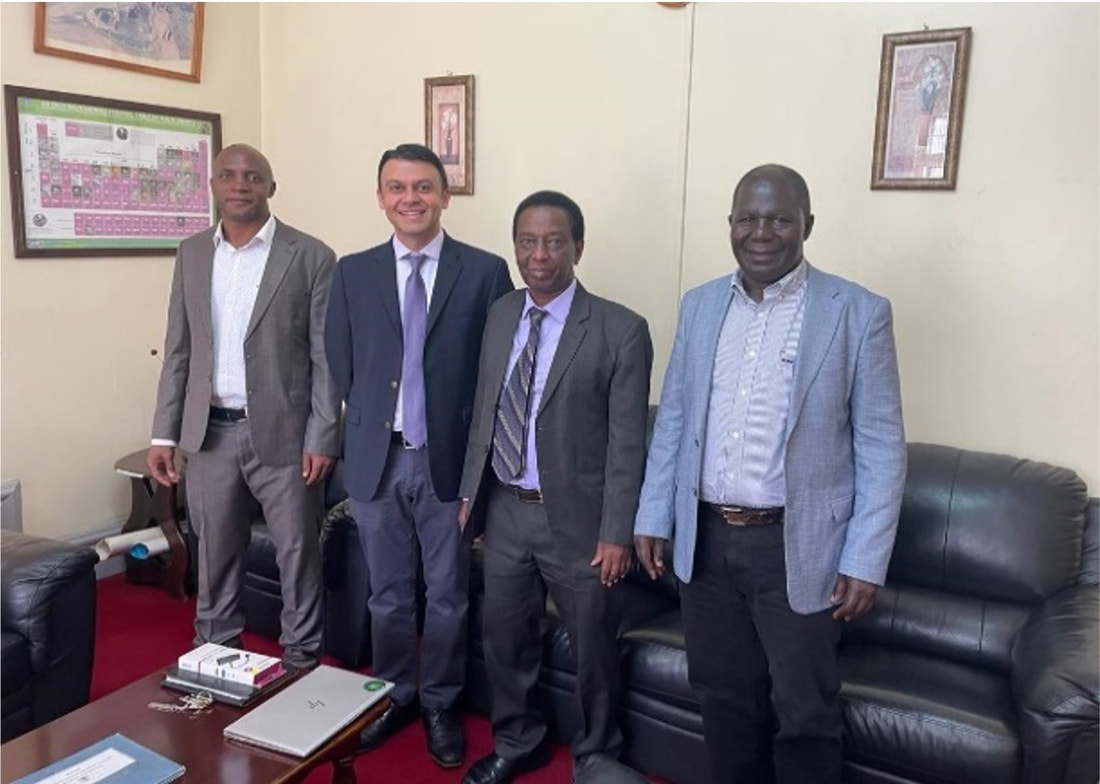
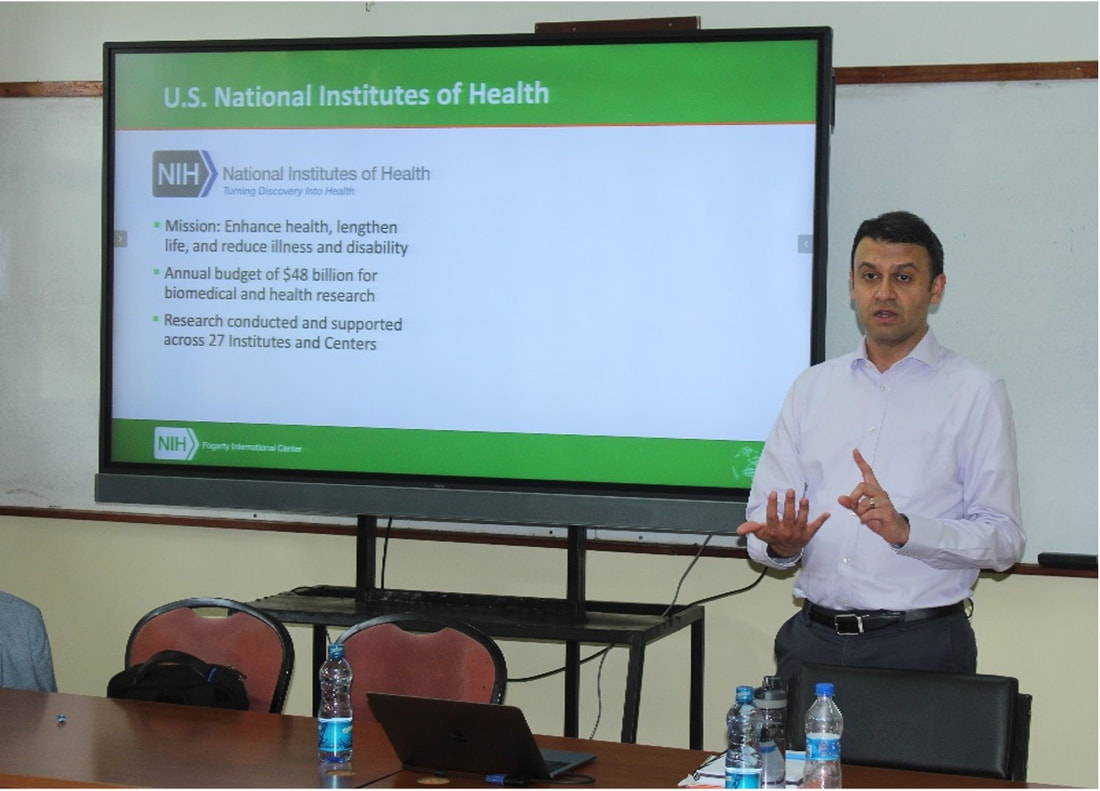
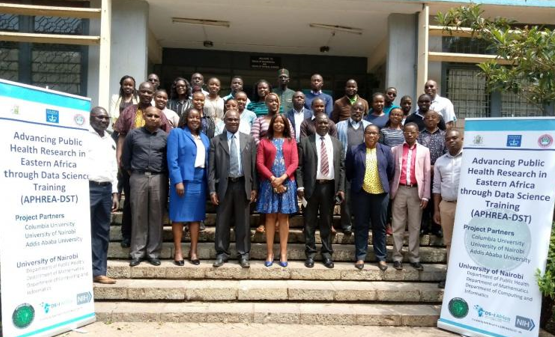
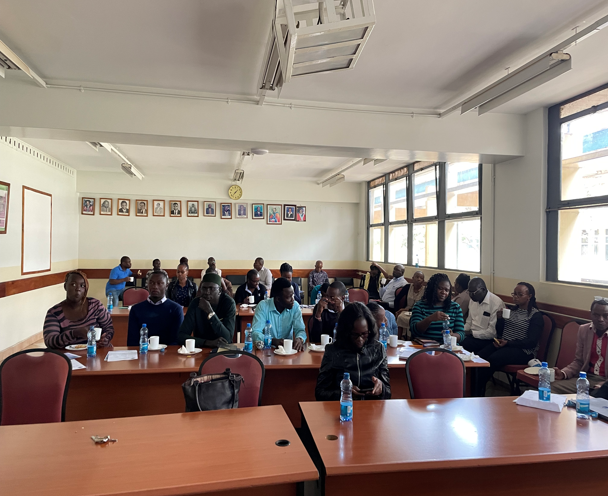
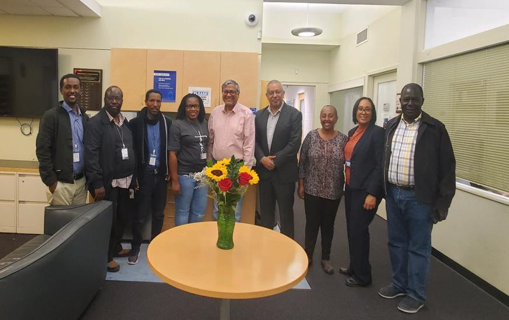
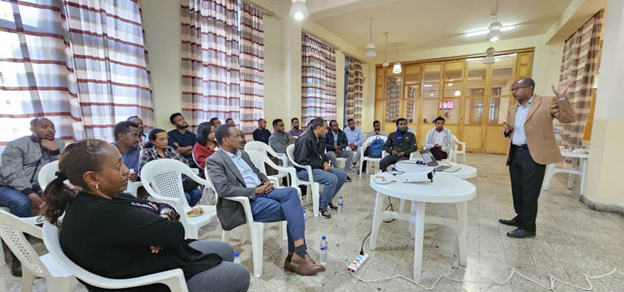
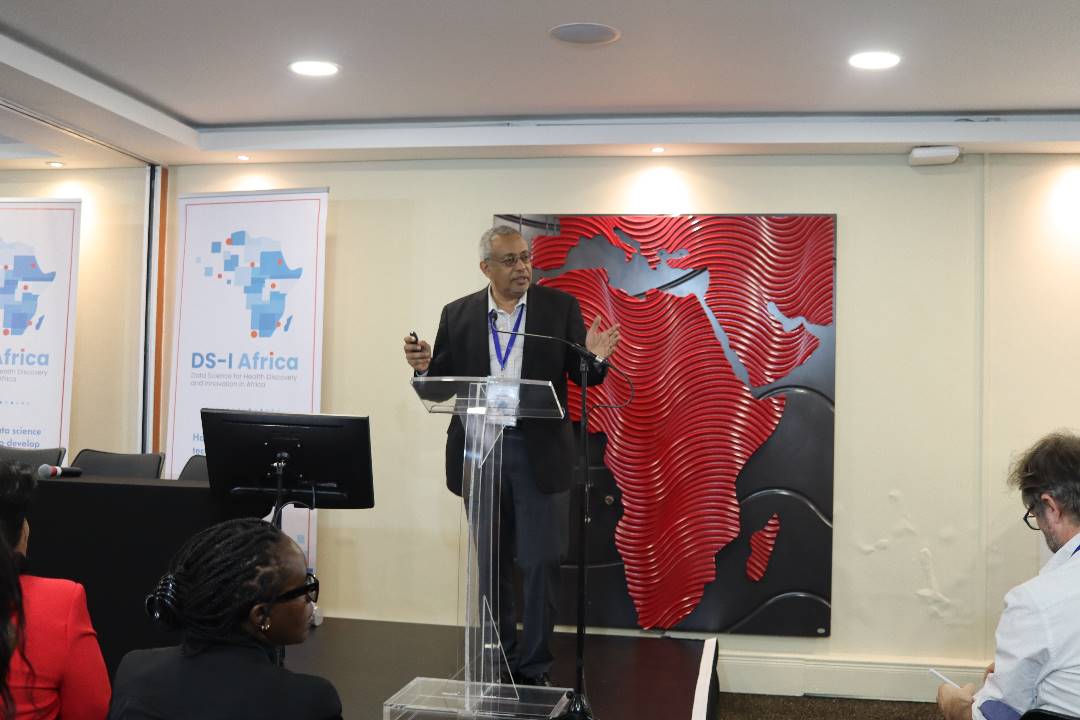
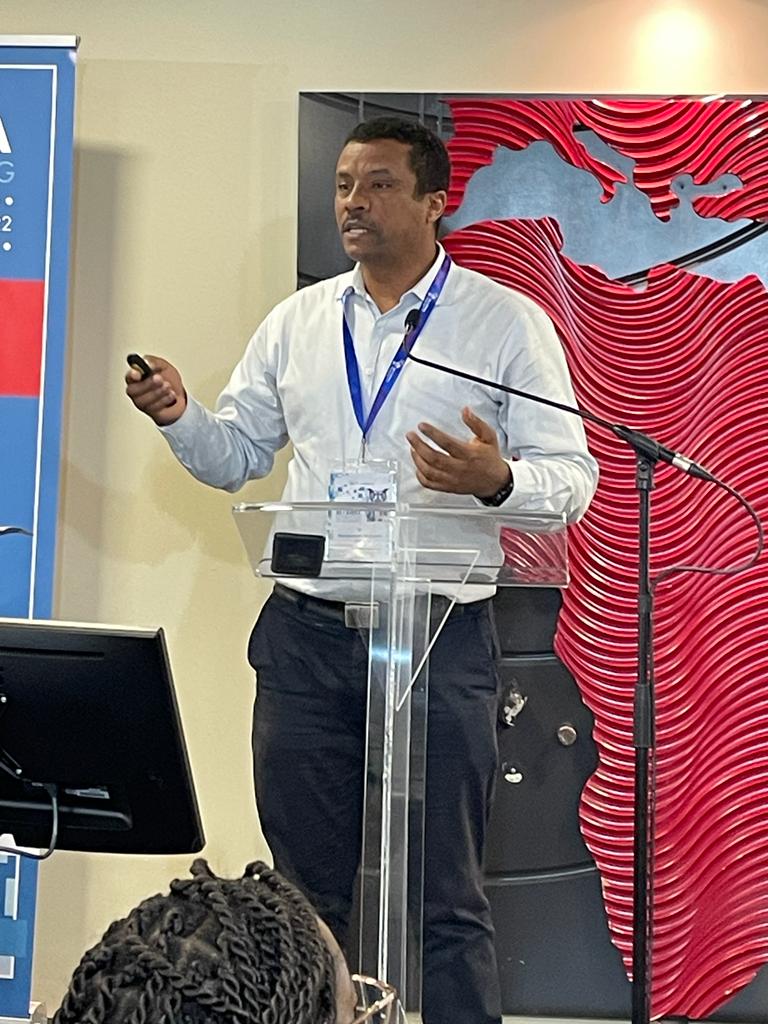
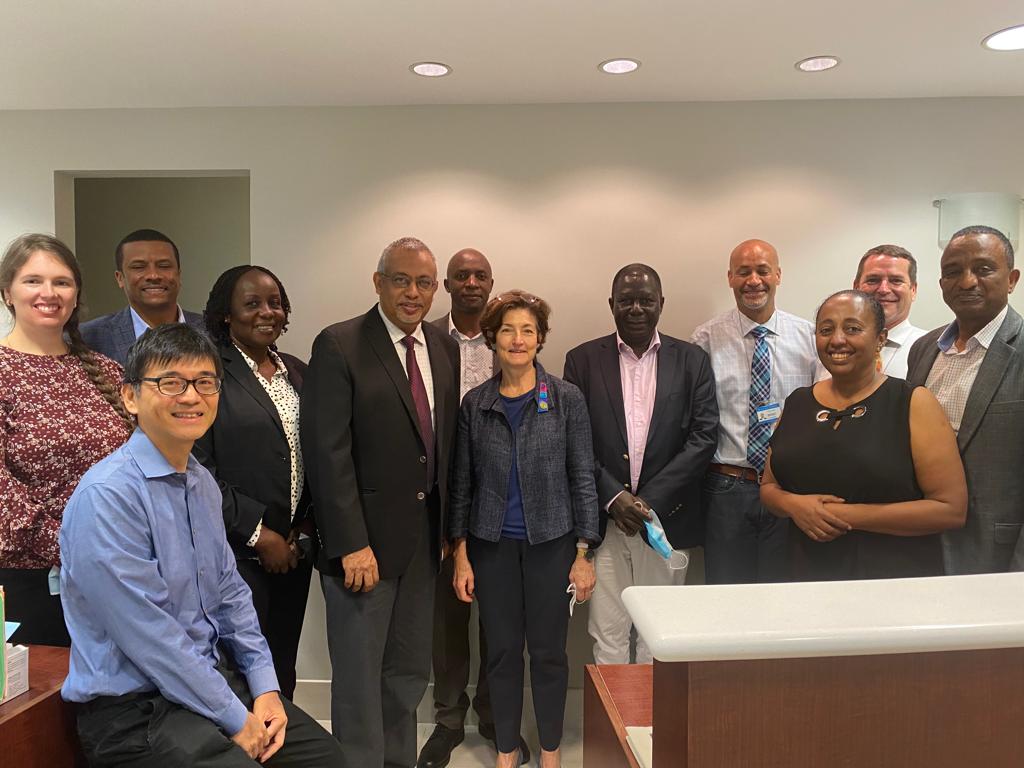
Dr. Amit Mistry a Senior Scientist at the Center for Global Health Studies, Fogarty International Center, U.S National Institutes of Health (NIH) visited the Advancing Public Health Research in Eastern Africa through Data Science Training (APHREA-DST) Project, at the University of Nairobi on 5th March 2024. APHREA-DST project is supported by the U.S. National Institutes of Health (NIH) Common Fund and is part of the “Harnessing Data Science for Health Discovery and Innovation in Africa” program (DS-I Africa). 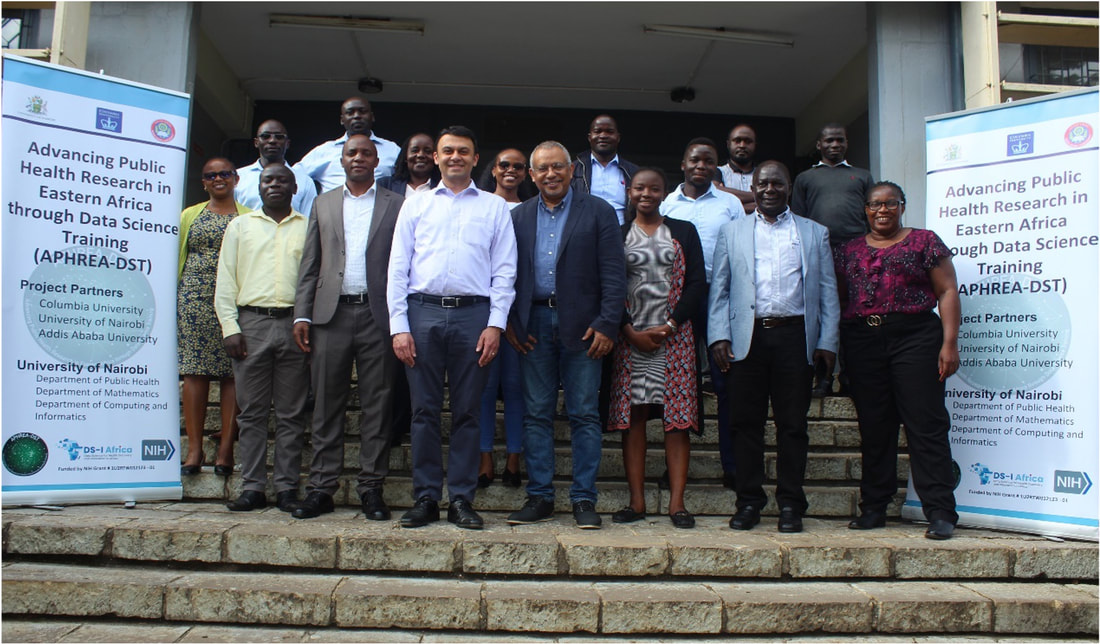 Dr. Amit Mistry, (NIH), Prof. Kiros Berhane, Columbia University, Prof. Patrick Weke, PI, APHREA-DST, University of Nairobi, APHREA-DST Team, and MSc Public Health Data Science Students Representatives.
After the presentation, there was an interactive Q&A session with the students and Dr. Mistry encouraged students to do research work that was impactful to society and publish good papers. 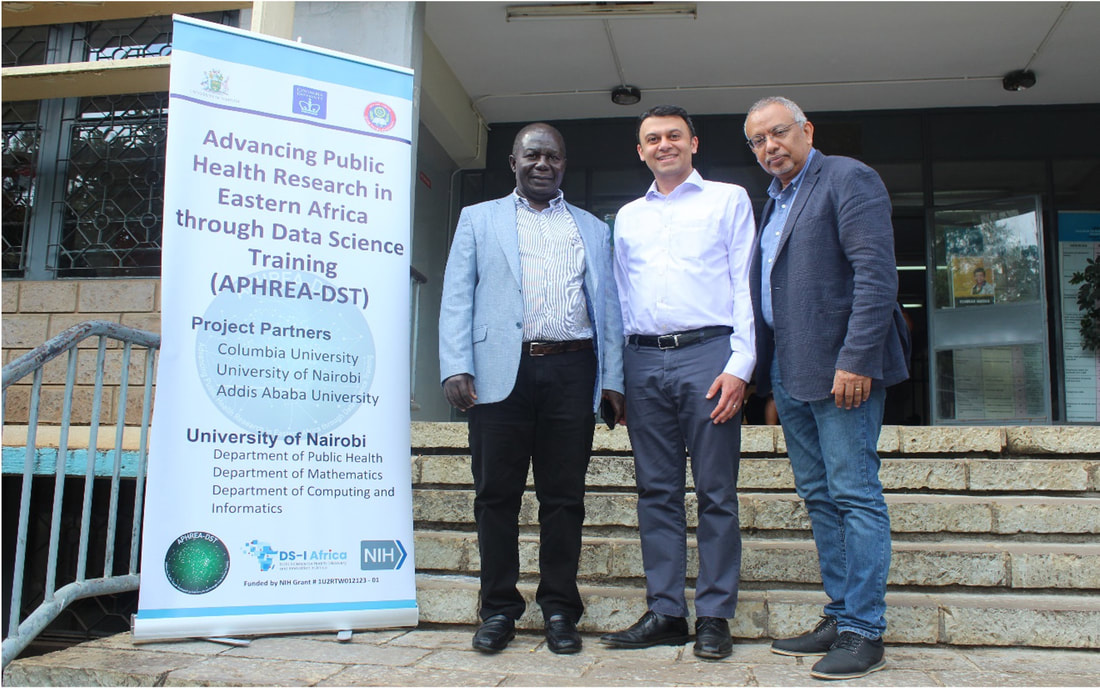
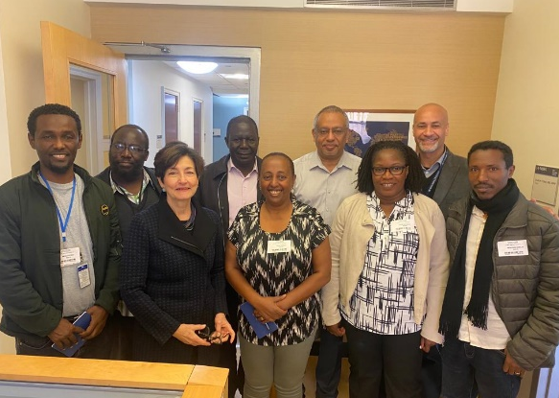
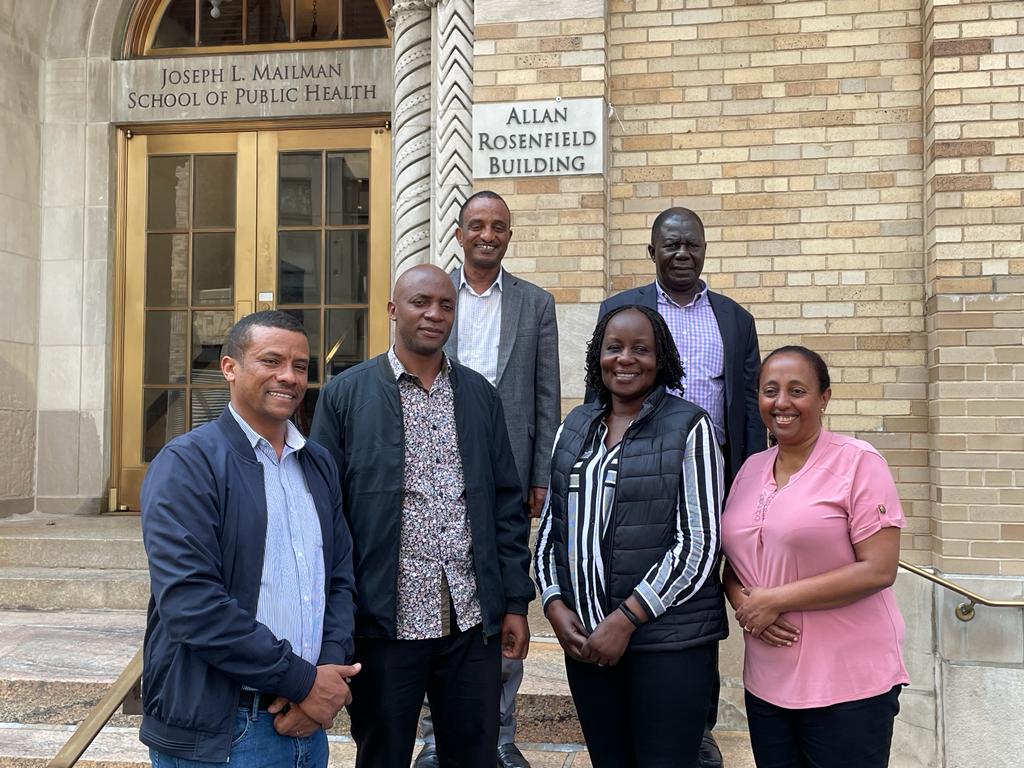
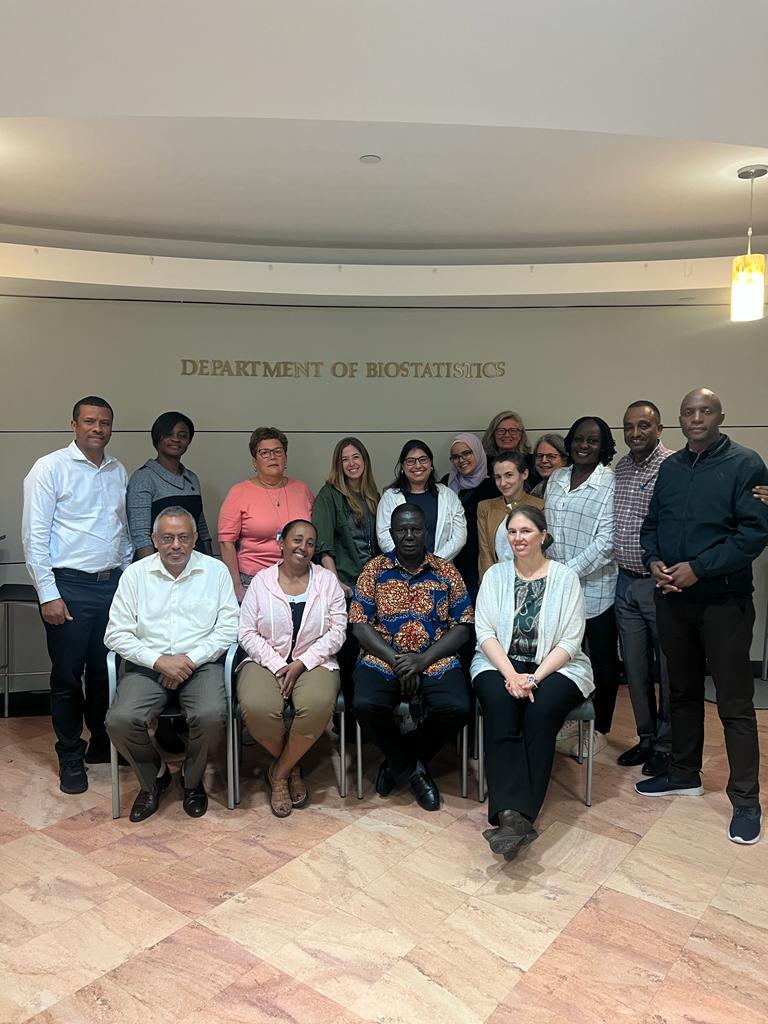
The success of the students will be achieved not only by their hard work but also by the consistency in the exchange of ideas among the faculty taking them through the various courses. To this effect, the faculty led by the APHREA-DST UoN chapter PI, Prof. Patrick Weke, have and continue meeting regularly to share experiences on teaching and student interactions in the various courses. 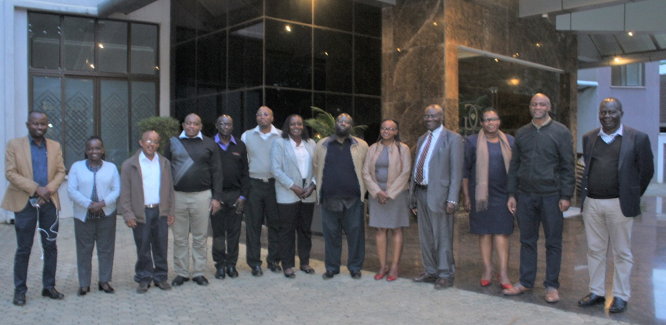 One of the APHREA-DST’s training programs is the Faculty Development program which aims at building faculty capacity in Public Health and Data Science. In year 2 of the APHREA-DST project, the second cohort of Faculty Scholars, two from AAU and two from UoN were selected, that is, Merger, Awgichew, Kipchirchir, and Carolyne. These 4 not only had an opportunity to be peer mentored by the first cohort of Faculty Scholars, but also participated in training, mentoring, and knowledge exchange from experienced faculty at Columbia University. Awgichew and Carolyne are under the mentorship of Dr. Linda Valeri, in the Department of Biostatistics while Merger and Kipchirchir are under the mentorship of Prof. Samory Kpotufe, from the Department of Statistics. 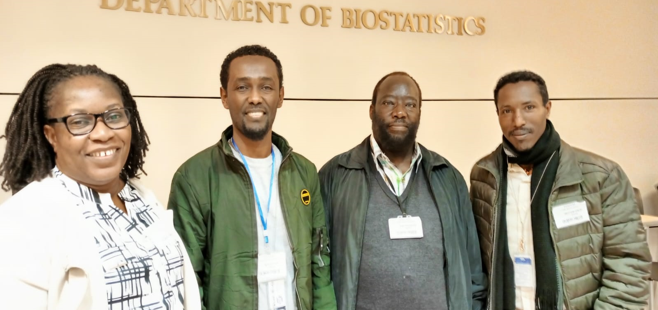
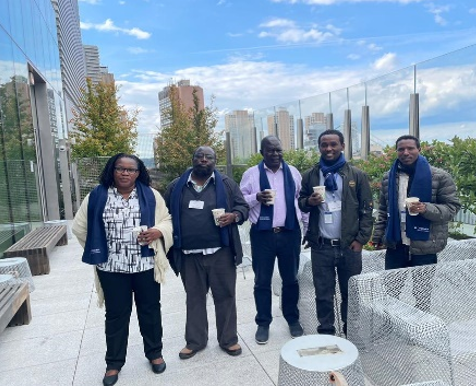
In the days that followed, the scholars were involved in a series of discussions and mentorship sessions with their Columbia University mentors, Dr. Valeri and Prof. Kpotufe. These physical meetings were a welcome change from the online meetings that were being held while the scholars were in their home institutions. The scholars not only got an opportunity to expand their horizons in terms of research but also gained from the wealth of knowledge in student mentorship in Data Science at Columbia.
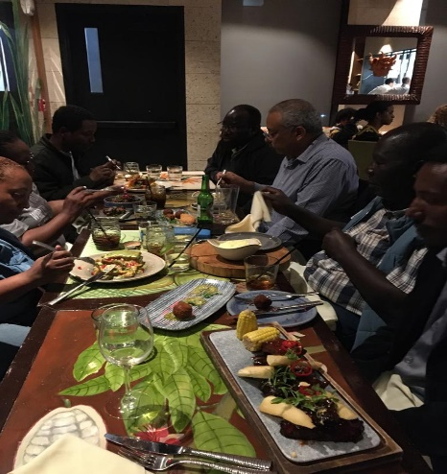
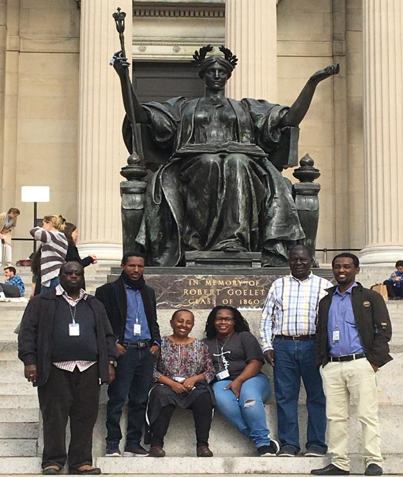
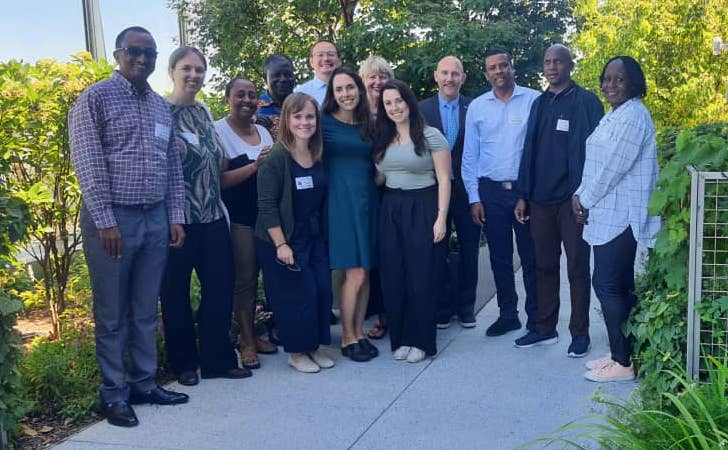
A visit to Columbia University would not be complete without a trip to the Morningside Campus, thus, the faculty scholars and mentors took a day trip tour to the campus under the able guidance of Mrs. Niurka Suero-Tejeda. While at Morningside, the team together with Prof. Kiros Berhane, met with Prof. Vijay Modi at the Department of Engineering, to explore the data collected using their renewal energy technologies and discuss possibilities of collaboration. The day then closed with joint farewell dinner at Tartina Italian Restaurant.
On the final day of the visit, Prof. Kiros Berhane together with Prof. Pam Factor-Litvak organized a roundtable at MSPH where the T32 trainees at the Department of Epidemiology and the visiting Faculty Scholars shared their research which sparked a very interesting and fruitful discussion. 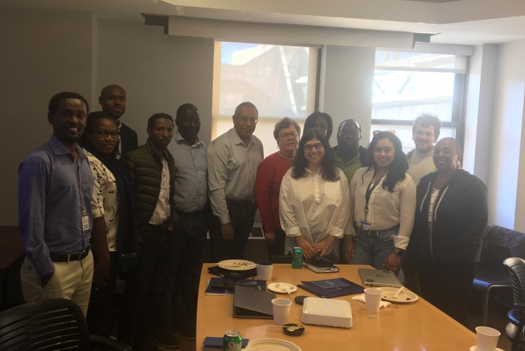
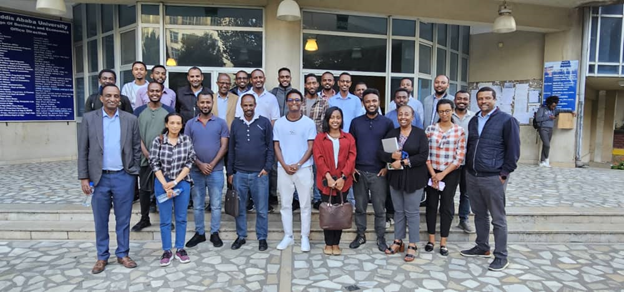
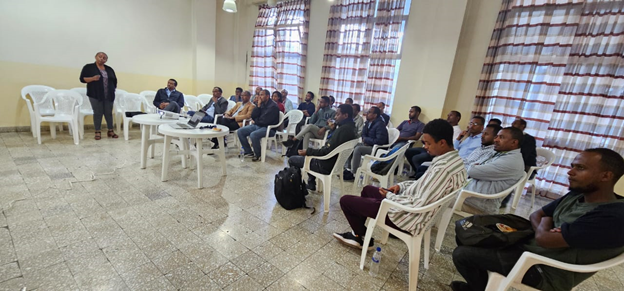
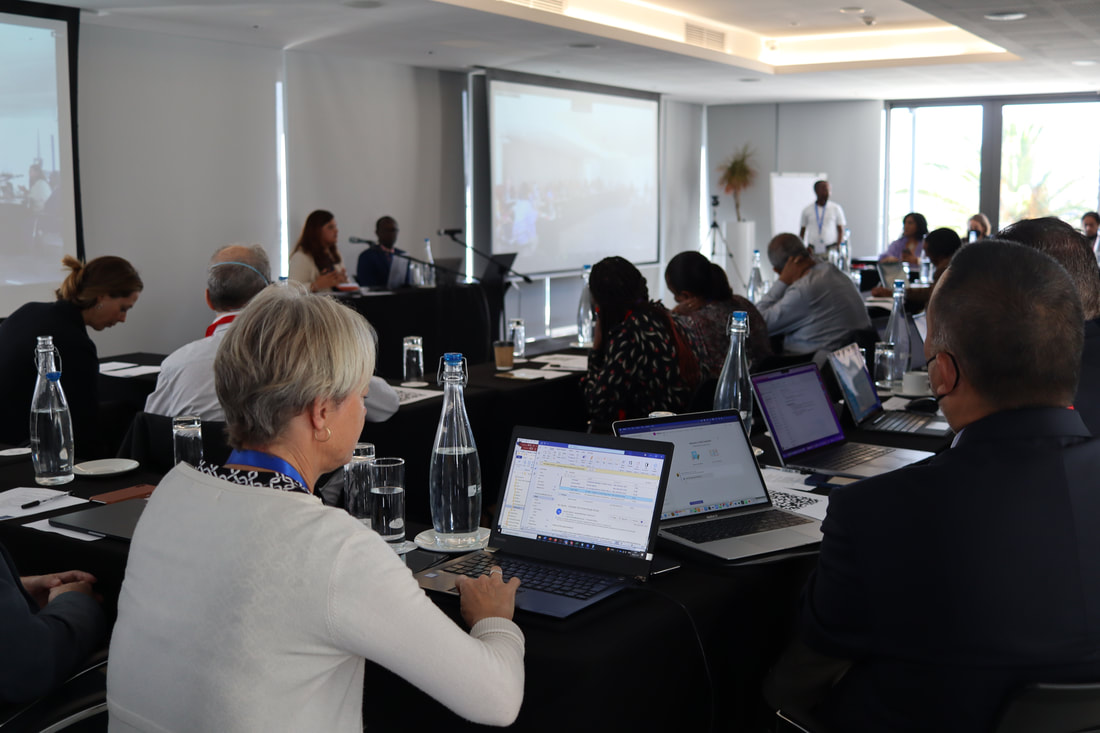
AAU conducted a welcoming and orientation session for the 1st cohort of MSc in Public Health Data Science students. The session started with welcoming speech by Dr. Rahel Bekele who have gone through the project objectives, achievements and milestones completed so far. She has also explained the courses and activities in the program. Dr. Wondwossen Mulugeta, project team member and currently the Vice President for Institutional Developmnent also gave his expert advice on what is expected of students as well has how best they can make use of the program Prof. Belay Simane added the importance of collaboration and engagement with partner institutions for data sharing and internship. He provided guidance on how they should engage in their academic and research activities. Addis Ababa University is proud to announce the launch of its M.Sc program in Public Health Data Science (PHDS) with the first cohort of 30 regular program students selected from more than 300 applicants. Because of the large number of applicants, it has also opened an extension program with another cohort of 30 students. The major purpose of the program is to equip graduates with the knowledge and skills to employ cutting-edge data science tools and advance effective solutions to pressing public health issues. As such the graduates are expected to apply machine learning tools and techniques to reveal features of large, complex health-related datasets. The program is hosted by the School of Information Science an is run in collaboration with the School of Public Health, Department of Statistics, and College of Development Studies at AAU. We are also privileged to partner with Columbia University (USA) and the University of Nairobi (Kenya) in this M.Sc program. As you are well aware this program will be opened as part of our project entitled “Advancing Public Health Research in Eastern Africa (APHREA-DST)”, funded by the U.S. National Institute of Health (NIH). The first cohort of students have come from a diverse set of backgrounds. The statistics is presented below. 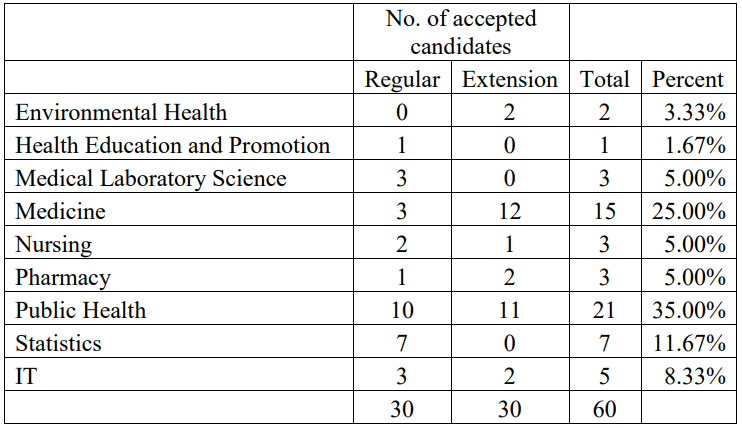 The call for application for the newly launched public health data science masters program at Addis Ababa University was announced on August 13, 2023 (See). Following the announcement more than 300 interested applicants submitted their application for admission. 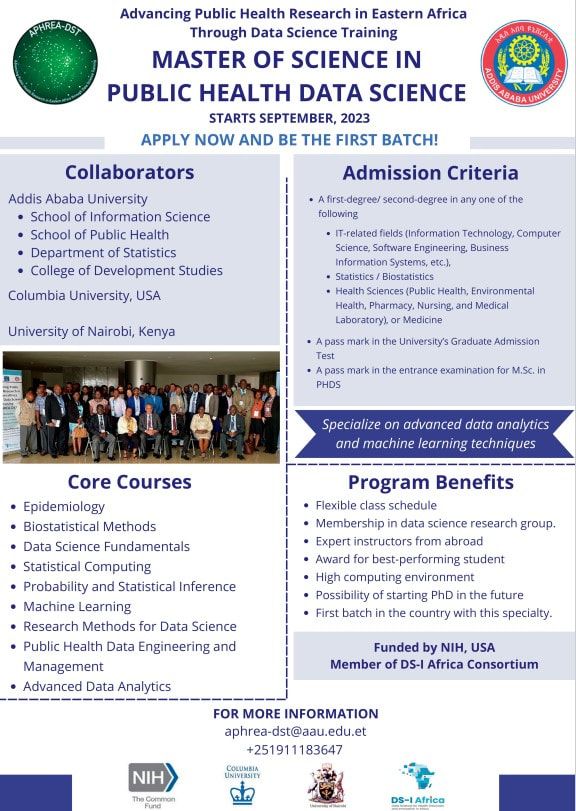 The applicants have already got the pass mark in the University wide Graduate Admission Test (GAT) and awaiting the subject matter entrance examination to be administered on September 23, 2023. Student who will be admitted will be enrolled in a bridge course to equip them with basics of IT and epidemiology. The program will commence based on the academic year start date set by the university.
APHREA-DST is pleased to announce the upcoming launch of the new University of Nairobi MSc in Data Science, with a track in Public Health Data Science, in January 2023. Candidates interested in applying are advised to find application details on the UoN website. Application materials are due by December 31, 2022. With questions, please reach out to UoN APHREA-DST Project Coordinator Martha Mugo: martha.mugo@uonbi.ac.ke 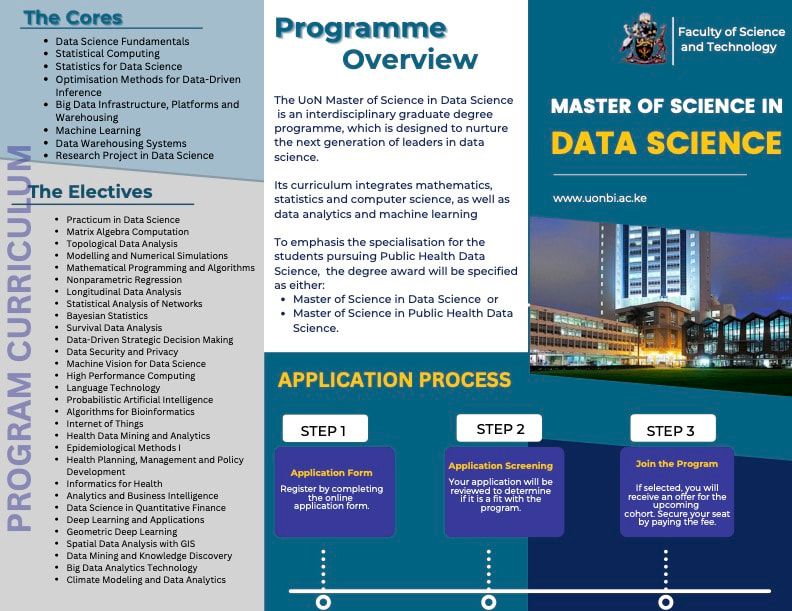 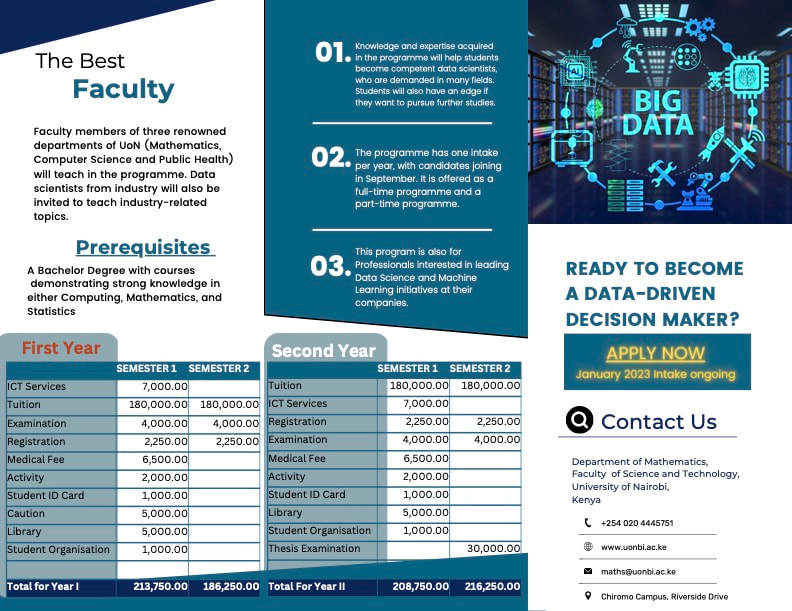
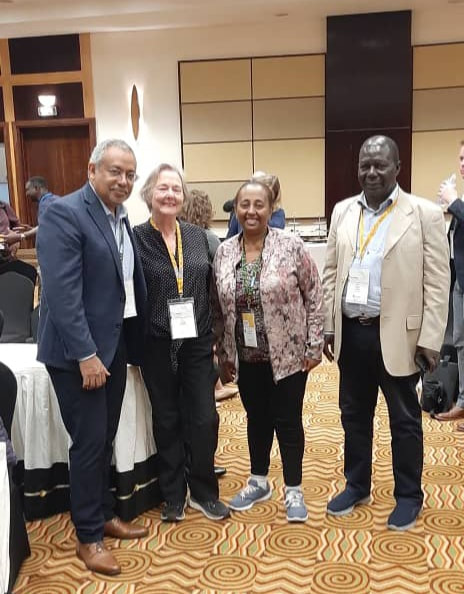
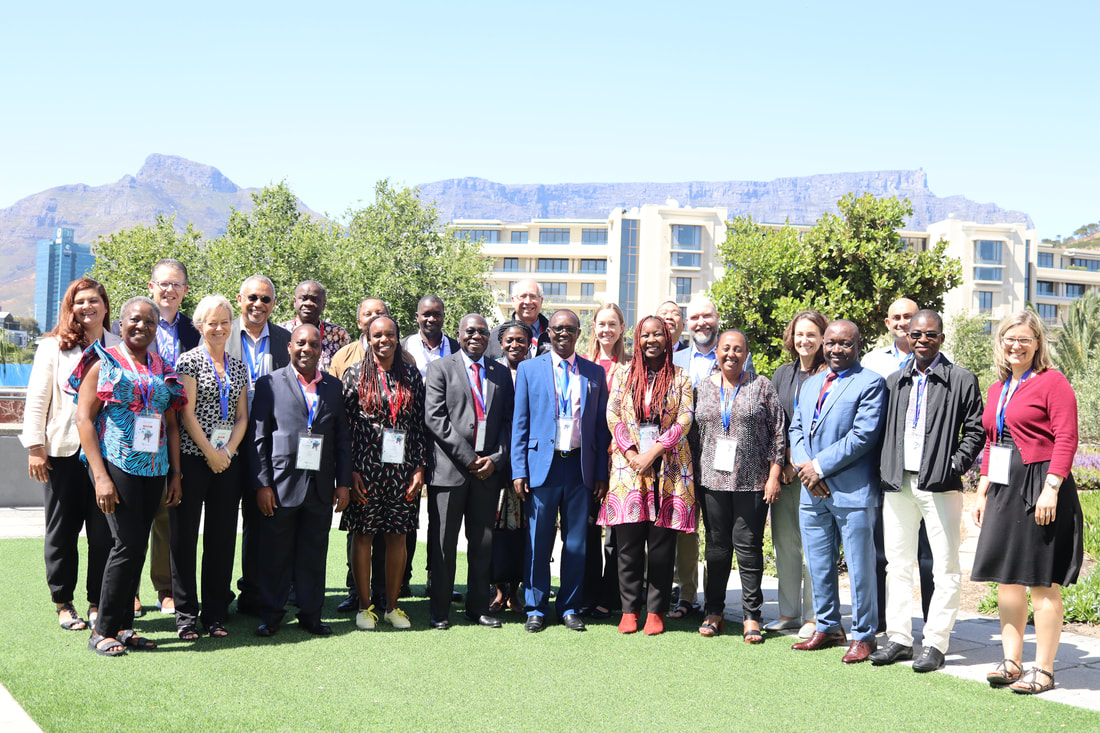
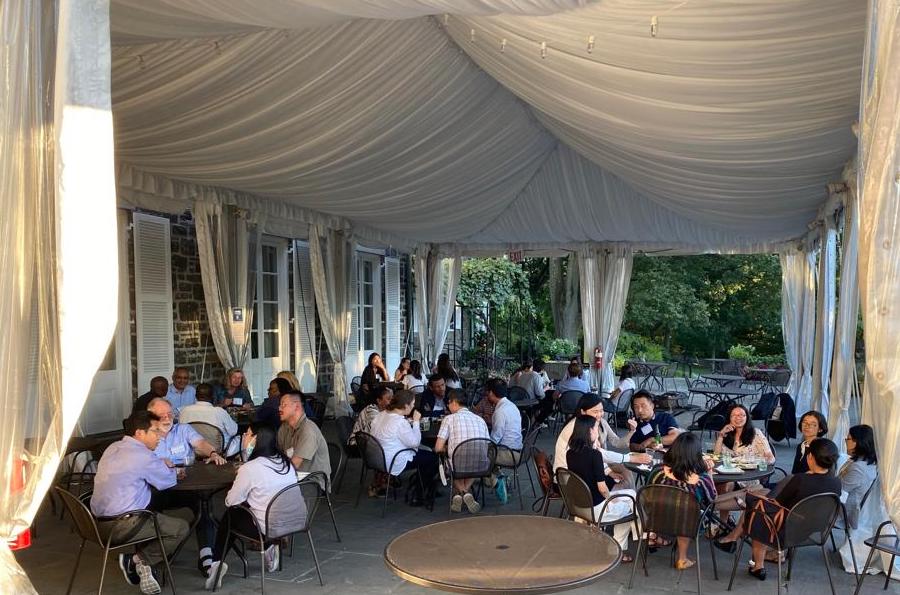
A Faculty Development program is a core component of APHREA-DST’s multi-tiered training programs. Two Faculty Scholars from AAU and two from UoN were selected in the inaugural year of the program (2021-2022) to participate in training, mentoring, and knowledge exchange in the field of public health data science, benefiting from the expertise of experienced faculty from Columbia and their own institutions. AAU’s Faculty Scholars were Dr. Wondwossen Mulugeta and Dr. Getachew Hailemariam. UoN’s Faculty Scholars were Dr. Idah Orowe and Dr. Elisha Abade. A keystone of the program was a visit to Columbia’s campus from August 29 – September 2, 2022. The Faculty Scholars were joined on this visit by their institutional mentors, the APHREA-DST PI from AAU, Dr. Rahel Bekele, and UoN PI Prof. Patrick Weke. During the visit they spent several sessions with their Columbia Mentors, Dr. Jeff Goldsmith and Dr. Tiffany Sanchez, as well as Prof. Kiros Berhane, who served as the third PI mentor. APHREA-DST Project Director Dr. Isabelle Zaugg, in partnership with project partners, also organized a series of visits with faculty and supporting institutions across campus. A “Meet & Greet” luncheon including APHREA-DST’s Columbia investigators and MSPH department chairs kicked off the week. The visiting scholars met with Dean Linda Fried and other MSPH Deans to discuss priorities in public health research at Columbia and at their home institutions in Eastern Africa. Dr. Dan Westervelt organized a joint research symposium at Lamont-Doherty Campus in which a mix of Faculty Scholars and Columbia researchers presented recent research projects. Prof. Tian Zheng, Chair of the Department of Statistics, hosted the group for a lunch and discussion about innovative training ideas. The Data Science Institute welcomed the group for an introduction to their cross-disciplinary data science work, with a particular focus on the Center for Health Analytics; the visiting PIs also shared a snapshot of their university’s history and work on data science-related activities. The visiting scholars participated in the closing dinner of the Department of Biostatistics annual retreat, mingling with faculty, administration, and postdoctoral fellows. A half-day seminar was held at the School of Nursing, led by Prof. Suzanne Bakken and colleagues, who shared varied research and applied projects at the intersection of data science and nursing practice. Prof. Pam Factor-Litvak organized a fruitful roundtable discussion with Epidemiology T32 trainees. |

 RSS Feed